

What Is Paper Trading in Prop Firms and How to Use It Right
What is paper trading
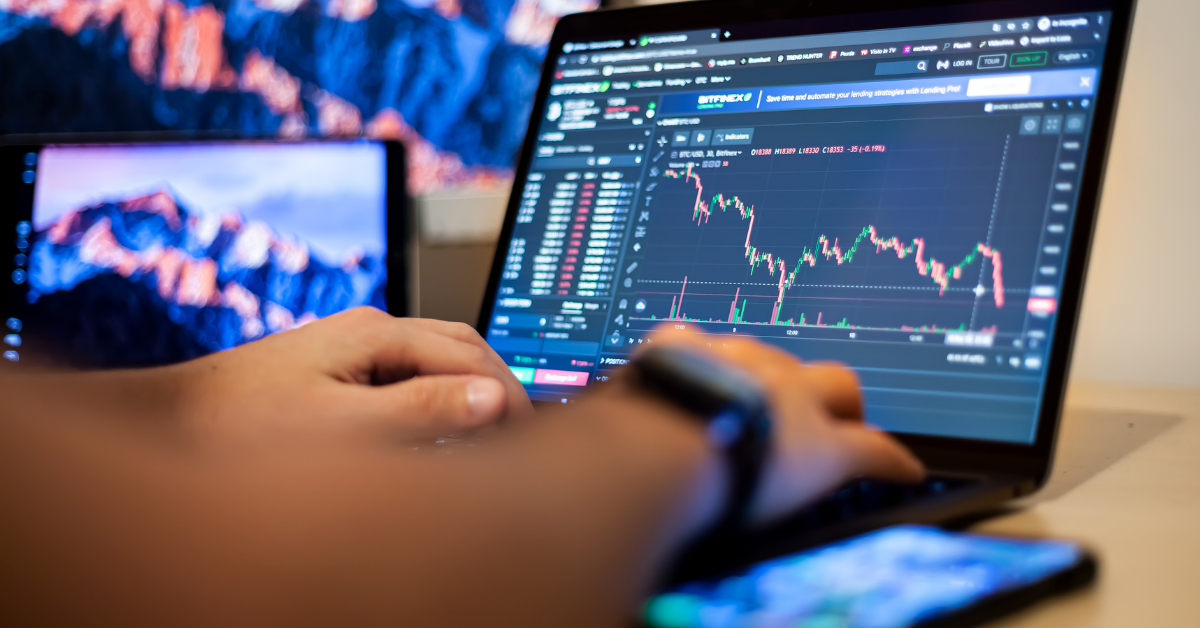
Paper trading is simulated trading where you practice placing buys and sells with virtual or imaginary money in live market conditions. It's to simulate real conditions without taking on financial risk. You enter trades, employ stop losses, take profits, and employ risk management strategies as though you are trading live. The idea is simple: become proficient in platform mechanics, understand how futures contracts work, and practice your methods without risking your capital. For newcomers looking to attain a funded account with one of the best prop firms for futures, paper trading typically serves as the initial step toward proving you are able to trade reasonably.
Why paper trading is crucial in prop firm environments
With prop firms, paper trading isn't just a matter of studying imaging it as an essential testing procedure. Traders are required to prove that they can perform under specified conditions in a mock account before being given access to a funded account. It is here that rules like maximum drawdown, daily loss, and profit limits come into effect. If you fail, you won't be going any further. This manner, paper trading forms the foundation of your trading career in a prop arrangement. It adjusts you to expectations within live markets and decides whether you can effectively handle someone's capital.
How it benefits futures traders in specific
Futures trading adds another dimension of sophistication compared to other markets. There are contract expirations, different tick sizes, leverage, and volatility that can be astronomically high during peak market hours. Paper trading enables novice futures traders to get used to these contract terms, learn the reaction of the market to news releases, and manage positions in high-leverage trades. Paper trading gives a chance to drill under live-like products with no risks of real losses. Specific futures traders need to be quick-witted, and paper trading is where such quick-wittedness is honed safely and effectively.
Spimming actual trading conditions
In order to use paper trading properly in the framework of a prop firm, you should do it as if it were the actual thing. That means using realistic account sizes, trading only when there are live futures market hours, and following intense risk management just like you would with a funded program. If you want to eventually be accepted by one of the leading prop firms for futures, what you do in the simulation must translate to what you will do down the road. This means recording your trades, remaining emotionally in check, and following rules. Avoid over-leveraging and over-trading because there's no real money being risked. Those habits will transfer over to real-world trading.
Developing a trading habit
One of the biggest benefits of paper trading is that it forces you to get into a consistent routine. You find yourself habituated to glancing at economic calendars, planning your trades, managing time, and examining your performance all in a simulated environment. This control is exactly what funded trading programs are looking for. Getting used to habit forming as you plan and review while paper trading is an enormous benefit later on. It also helps you understand when you are ready to proceed. If you cannot do what you do on a daily routine basis without money in the mix, you will likely fail once money is in the mix.
Preparing for evaluation and financing
Most prop firm paths begin with an evaluation that has a simulated aspect. During this time, you have to achieve profit goals, remain within risk limits, and avoid platform or strategy rule violations. All of this testing can happen only in paper trading. Your success or failure in these cases sometimes determines whether or not you will be given a funded account. That is why paper trading is practice it's performance. In order to give yourself every chance, every trade should be made as if it were for real, and every rule violation a deal-killer. For those who wish to qualify under top prop firms for futures, this level of seriousness is not a choice.
Building emotional toughness
Paper trading is not financial risk, but it will build the mental toughness for live markets nonetheless. The discipline to avoid revenge trading, to stick to your stop loss, and to take profit on a plan are emotional disciplines. To do them in practice makes them second nature. Even though you won't feel the full emotional sting of a run of losers or the letdown of a missed opportunity, you will begin to recognize your psychological patterns. Recognizing such patterns at an early stage enables you to fix them before they drain your live account money.
Moving on to live trading
Having a successful paper trading experience, you should transition to live trading cautiously. Being successful with simulation does not mean you will be successful with real money. Risk psychology changes once real money is involved. Start small, stay disciplined to what was successful, and don't expand your size too aggressively. View the first live phase as an extension of paper trading, but one with emotional value. Most traders rush this phase and end up breaking rules. For long-term profitability at a prop firm, the transition must be slow, steady, and disciplined.
Paper trading as a long-term strategy
Even after you go live, paper trading must be a part of your routine. It's the no-risk space to experiment with new methods, hone in on setups, and mess around with risk models. If markets change like they are prone to paper trading lets you make adjustments without costly mistakes. Professional traders use simulation to experiment with everything prior to implementing changes in their actual accounts. To those who are married to or seeking to qualify with the best prop shops for futures, staying sharp and agile through simulation is one of the best long-term habits you can form.
Final thoughts
In summary, what is paper trading in prop firms? It's not just practice on the computer this is where your prop career begins, skills are learned, and self-discipline is tested. To futures traders, where speed, leverage, and volatility play risky games, paper trading is safest and wisest place to prepare. Whether you are trying to pass the challenging demands of the best prop houses for futures or simply creating your own set of abilities, how you use paper trading determines future success. Get it right, do it seriously, and carry those lessons over into your real-time trading profession.
